

As drive-thru technology advances, QSR operators face a choice: stick with traditional loop timers or adopt modern, AI-powered camera timers. While loop timers have provided basic timing data for years, camera timers offer a far more comprehensive and adaptable solution for today’s fast-paced environment. For operators aiming to elevate efficiency and customer experience, camera timers stand out as a game-changer.How Camera Timers Transform Drive-Thru ManagementCamera timers go beyond merely tra
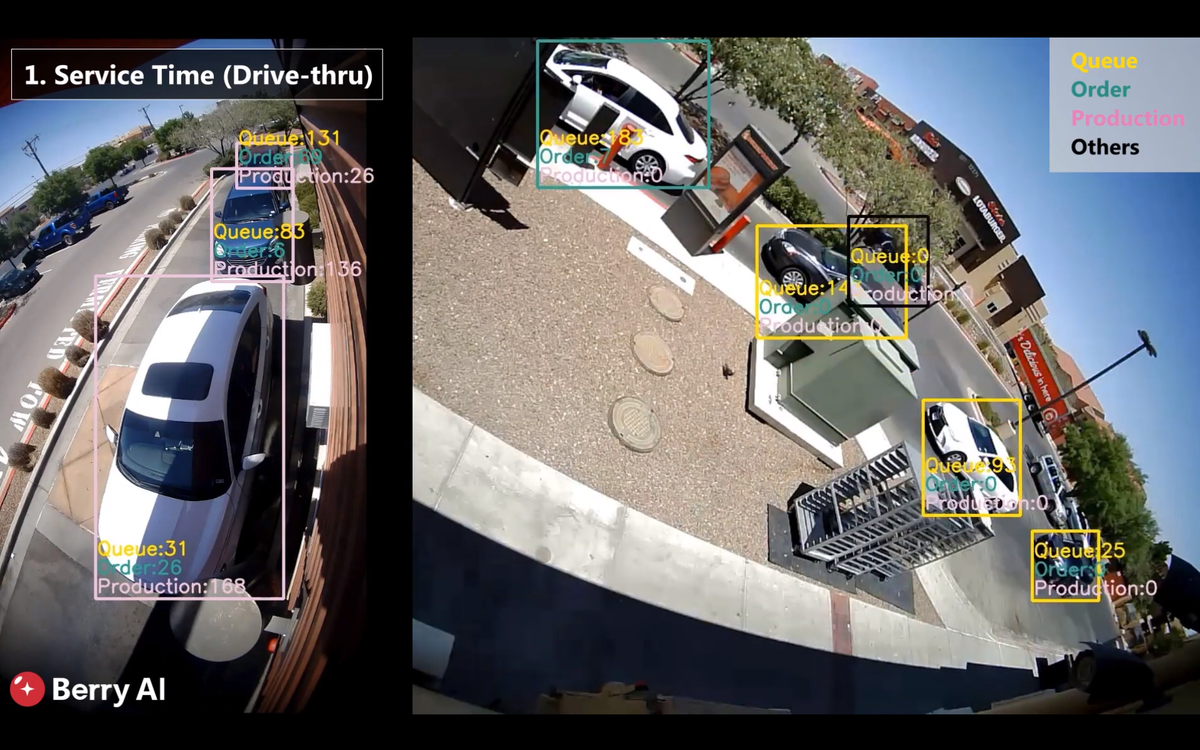
As drive-thru technology advances, QSR operators face a choice: stick with traditional loop timers or adopt modern, AI-powered camera timers. While loop timers have provided basic timing data for years, camera timers offer a far more comprehensive and adaptable solution for today’s fast-paced environment. For operators aiming to elevate efficiency and customer experience, camera timers stand out as a game-changer.
How Camera Timers Transform Drive-Thru Management
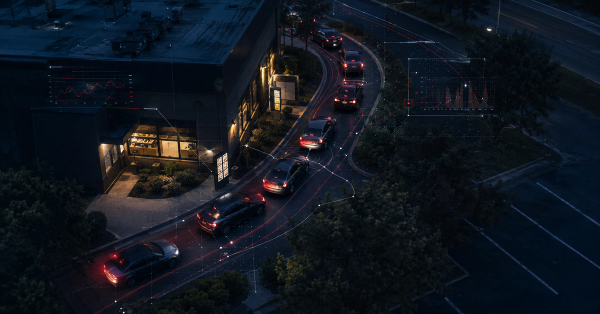
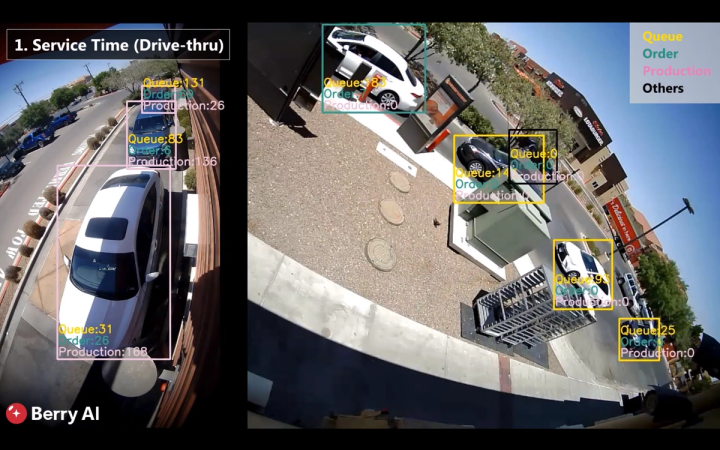
Camera timers go beyond merely tracking vehicle presence and wait times. Leveraging AI technology, they deliver real-time insights that allow QSR managers to optimize operations with precision and depth that loop timers simply cannot match.
Key Advantages of Camera Timers
- Real-Time Visibility and Data Depth: Camera timers provide continuous, detailed monitoring of drive-thru lanes, capturing not just timing but vehicle position, order point delays, and bottleneck locations. This allows managers to adjust staffing or service flow on the fly, reducing overall wait times and improving customer satisfaction.
- Advanced Analytics and Insights: Beyond immediate visibility, AI-powered camera systems generate comprehensive data that can reveal patterns in customer behavior, peak times, and traffic flow. These insights empower managers to make strategic decisions on staffing, promotions, and even menu design based on real-world data.
- Scalability and Centralized Control: For multi-unit operators, camera timers allow centralized control over numerous locations. This enables regional managers to view metrics across locations, helping them benchmark performance and implement improvements chain-wide.
Why Loop Timers Can Fall Short in Today’s QSR Landscape
While loop timers may be sufficient for basic vehicle tracking, they lack the versatility and depth of insight needed for a comprehensive operational strategy.
Limitations of Loop Timers
- Basic Data Collection: Loop timers offer only simple entry-and-exit timestamps. They cannot capture granular data on where cars might be stalled in the line or identify common pain points in the process, limiting opportunities for targeted improvements.
- No Remote Access or Visual Feedback: Without visual or remote access, loop timers leave managers in the dark about real-time conditions. This can be a setback for larger franchises where remote monitoring would streamline management.
- Outdated Technology for Evolving Needs: As the QSR industry continues to prioritize data-driven improvements, relying on loop timers alone may limit growth. They do not integrate with analytics platforms, nor do they support AI, leaving operators without tools to adapt quickly.
Why Camera Timers Are the Future for QSRs
For operators looking to stay competitive in a demanding market, camera timers represent a strategic investment in the future. Their ability to capture and interpret complex data gives QSR operators the edge they need to exceed customer expectations and refine operations proactively.
- Enhanced Customer Experience: With camera timers, managers can promptly address delays and adjust staffing or processes in real-time, delivering a smoother, faster drive-thru experience.
- Data-Driven Decision Making: AI-powered analytics offer insights into customer behavior, service speed, and peak times. This enables QSR operators to make informed, data-backed decisions on promotions, staffing, and process changes.
- Improved Accountability and Security: Camera timers add a layer of security to the drive-thru, recording any anomalies or incidents. For operators concerned about loss prevention or operational accountability, this visual record proves invaluable.
While loop timers have served the QSR industry reliably, the modern drive-thru demands more. Camera timers, with their AI-driven insights and real-time adaptability, offer an unmatched solution for QSRs committed to maximizing operational efficiency and customer satisfaction. For operators ready to embrace advanced technology, camera timers provide the insight, control, and scalability needed to thrive in an increasingly competitive landscape.