

If you've pulled up to a fast-food drive-thru lately and heard a robotic voice ask for your order, you're not alone. Over the past few years, chains like McDonald's, Wendy's, Taco Bell, and Checkers have all experimented with AI voice chatbots at the drive-thru window — with mixed results.But as the industry takes stock of what's actually working, a quieter shift is underway. The Verge recently published a thorough breakdown of the AI drive-thru landscape that captures both the promise and the f
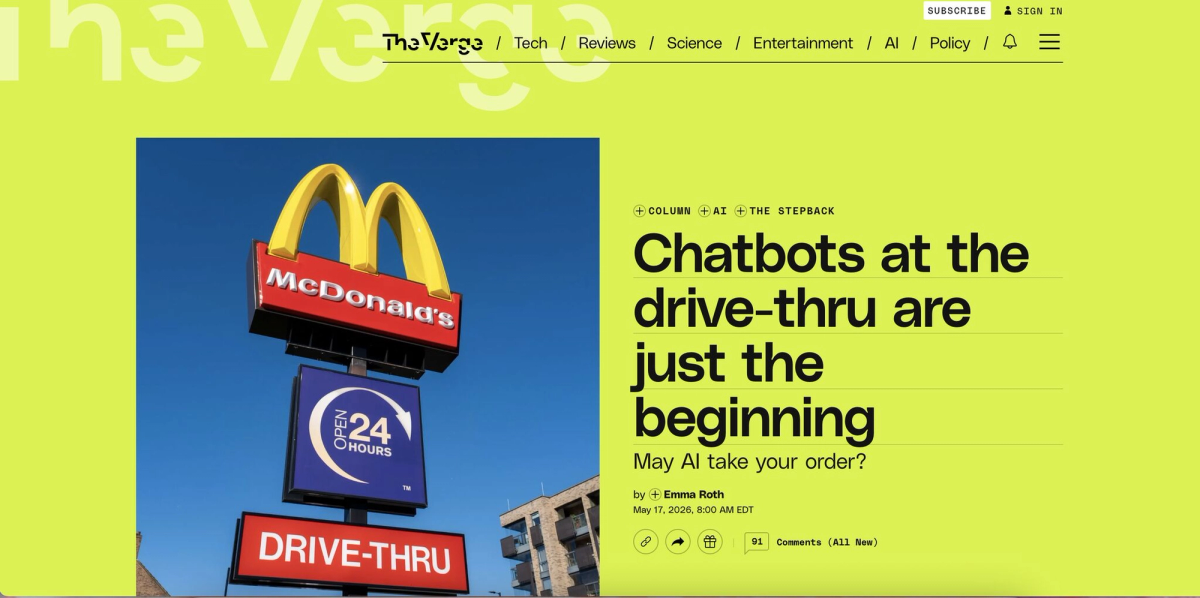
If you've pulled up to a fast-food drive-thru lately and heard a robotic voice ask for your order, you're not alone. Over the past few years, chains like McDonald's, Wendy's, Taco Bell, and Checkers have all experimented with AI voice chatbots at the drive-thru window — with mixed results.
But as the industry takes stock of what's actually working, a quieter shift is underway.
The Verge recently published a thorough breakdown of the AI drive-thru landscape that captures both the promise and the friction of this moment — and it points toward something we think about every day at Berry AI.
The Chatbot Problem
The appeal of voice AI at the drive-thru is easy to understand: faster ordering, fewer errors, reduced pressure on staff during peak hours. And some deployments have shown real promise — Wendy's reported its "FreshAI" system handled orders without employee intervention 86 percent of the time.
But the customer reception has been lukewarm at best.
A January 2025 YouGov survey found:
- 55% of Americans still prefer a human to take their order
- Only 4% actively prefer an AI chatbot
- McDonald's ended its IBM chatbot partnership in 2024
- Taco Bell is reevaluating its rollout after customers ordered 18,000 water cups just to force a human handoff
Customer-facing AI is immediately, publicly accountable. Every mistake happens in front of a person who has a phone.
The Case for Invisible AI
The more interesting story — and the one we think has longer legs — is what happens when AI works in the background rather than in front of the customer. Here's what that looks like across the industry today:
- McDonald's is using AI to predict equipment failures before they happen — including the famously broken ice cream machine
- AI-powered scales verify order weight before the bag is handed to the customer
- Burger King's "Patty" — an in-ear AI assistant — helps employees with food prep and monitors service quality
- Taco Bell is testing dynamic menu boards that adjust content car-by-car
None of these technologies asks the customer to do anything differently. None of them goes viral when they fail. But all of them have the potential to meaningfully improve the speed, accuracy, and consistency of every single order.
Measuring What Actually Matters
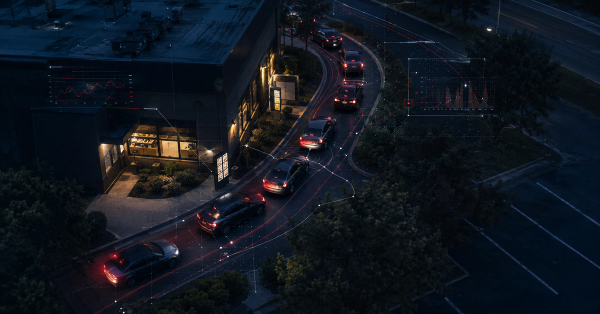
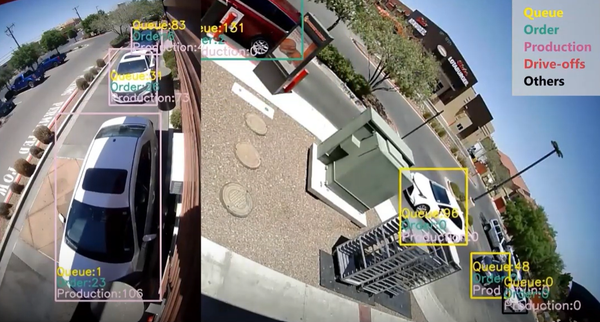
This is the philosophy behind Berry AI's approach. Our camera-based systems give drive-thru operators visibility into traffic flow, service execution timing, and where delays are actually occurring in the line — data that most operators are currently running blind without.
The result is that teams can make targeted improvements to the parts of the process that are actually slowing things down, rather than guessing. Shorter wait times and more consistent service follow from better information, not from replacing the human at the window with a robot.
What Comes Next
It seems like more fast-food chains will start deploying AI that's less in-your-face — changes that customers don't notice, but feel in faster service and fewer missing items in their bag.
We'd agree. The drive-thru is a complex, high-pressure operational environment. The technology that earns a permanent place in it will be the kind that makes that environment run better — reliably, quietly, and without putting the customer in the middle of a tech experiment.
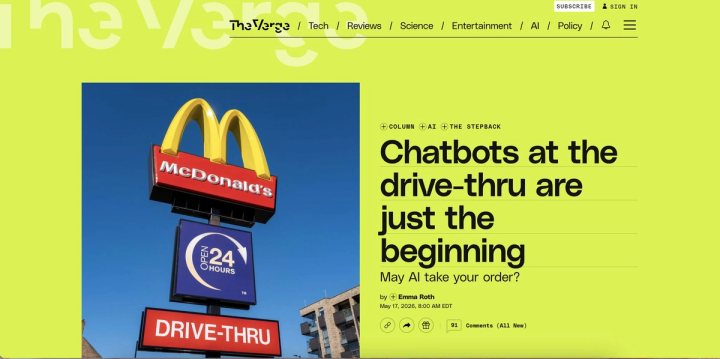
Further reading: "Chatbots at the drive-thru are just the beginning" — The Verge, May 17, 2026